Who We Are
PathLight focuses on promoting aging in place through practical, evidence‑informed home environment solutions. We help families across the Lower Mainland create homes that are safe, comfortable, and easy to live in every day.
As Senior Home Safety Specialist certified by Age Safe Canada, we combine knowledge of home design, maintenance, and accessibility with insights from physiotherapy and the WHO ICF framework to see how your home affects your daily life and long-term wellbeing.
Our assessments and practical guidance help families predict how mobility and functional changes will impact their home in the coming years, and create a proactive plan to stay safe and independent.
PathLight is more than a service. It’s a new way of thinking about homes as part of your health and quality of life.
Services are available in both English and Mandarin.
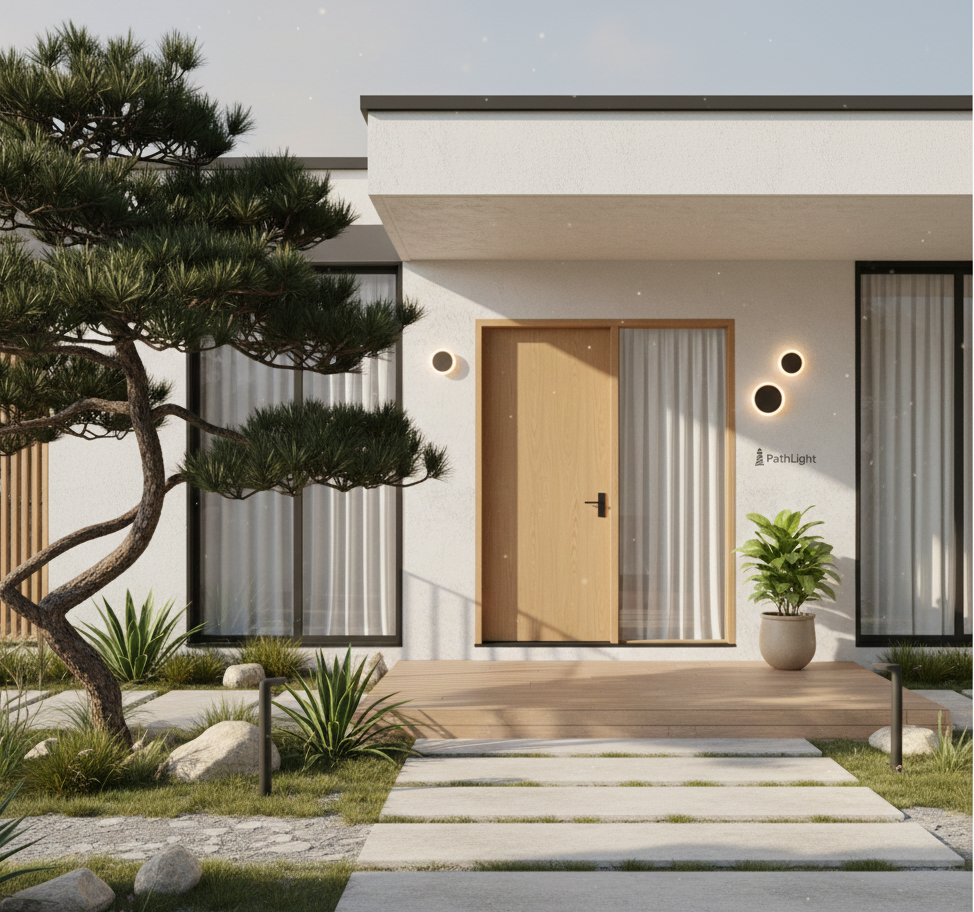
PathLight’s Core System
PathLight is built on a clear and practical system that brings together three key areas of expertise to help people understand and improve the homes they live in.
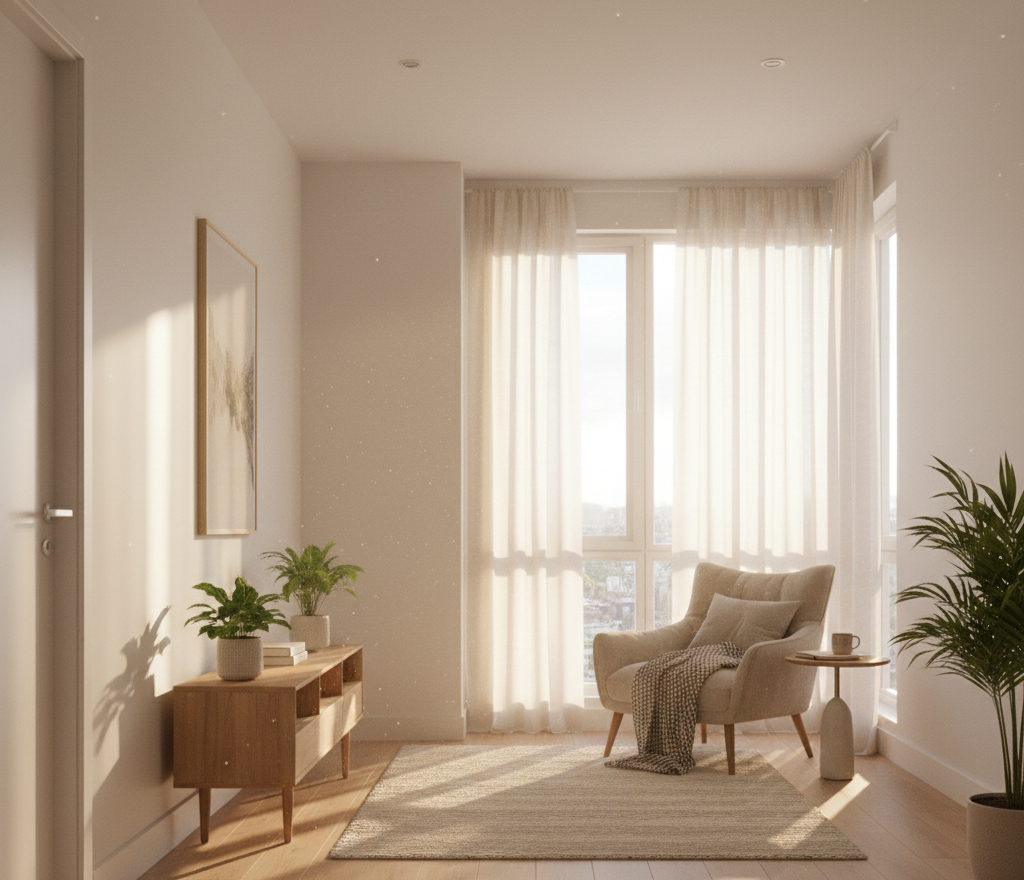
Home Wellness and Maintenance
A healthy living space is fundamental to long-term comfort and safe aging in place.
By reviewing the overall health of the home, we help identify small upgrades, hardware improvements, and maintenance habits that can reduce future risks and support independent living over time.
Focus areas include:
General safety considerations
Upgrade and maintenance planning
Furniture and appliance usability
Environmental factors affecting daily comfort
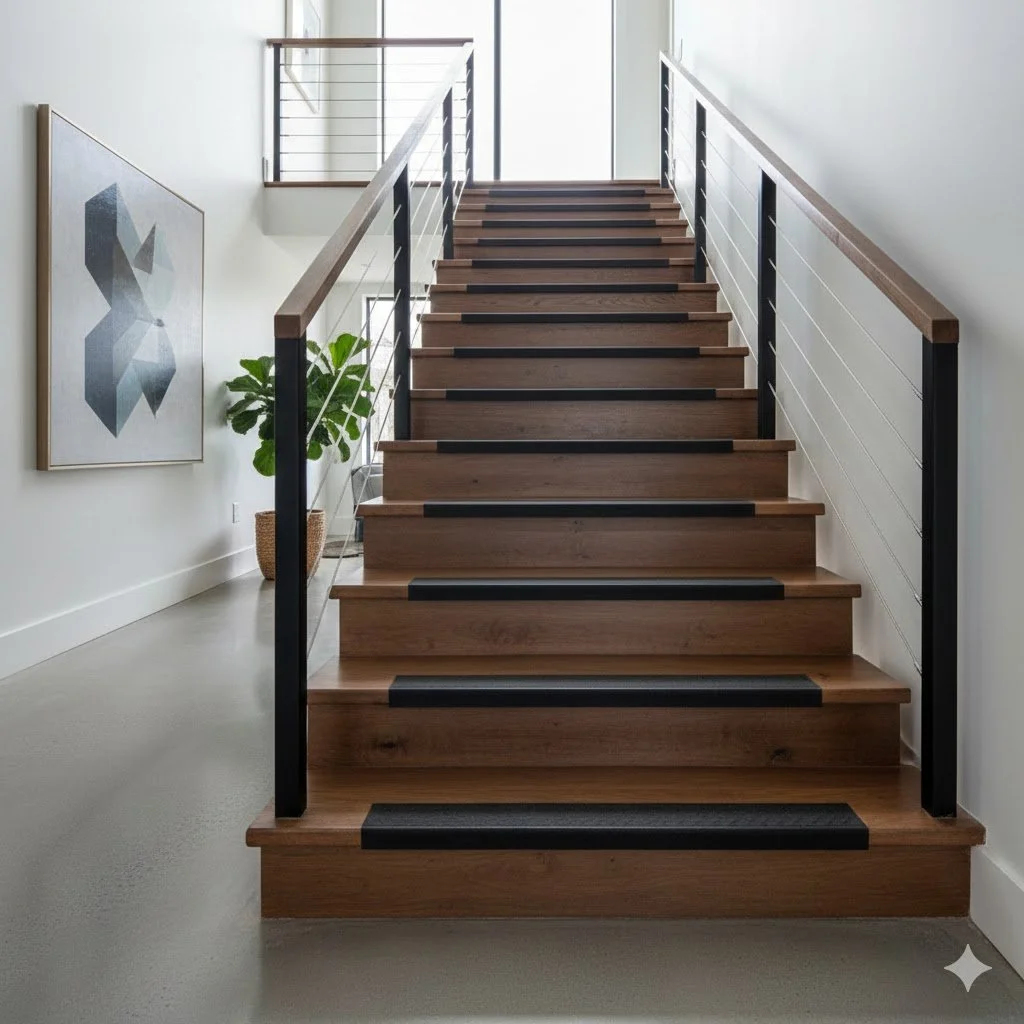
Environmental Functional Analysis
Using PathLight’s own Environmental Impact Scale (EIS), we examine how home designs and setups influence daily performance.
This approach reframes the home as a dynamic, living environment rather than a static structure.
Focus areas include:
Spatial layout and task flow
Lighting, contrast, and visibility
Environmental load increase, mismatch, and barriers

ICF-Based Approach
PathLight applies the core principles of the WHO International Classification of Functioning, Disability and Health (ICF) framework in a practical, non‑medical way. Instead of focusing on diagnosis, we look at how body functions, daily routines, and environmental factors interact to shape everyday performance.
What this enables:
Clear, neutral descriptions of environmental barriers
More informed decision-making for future planning